
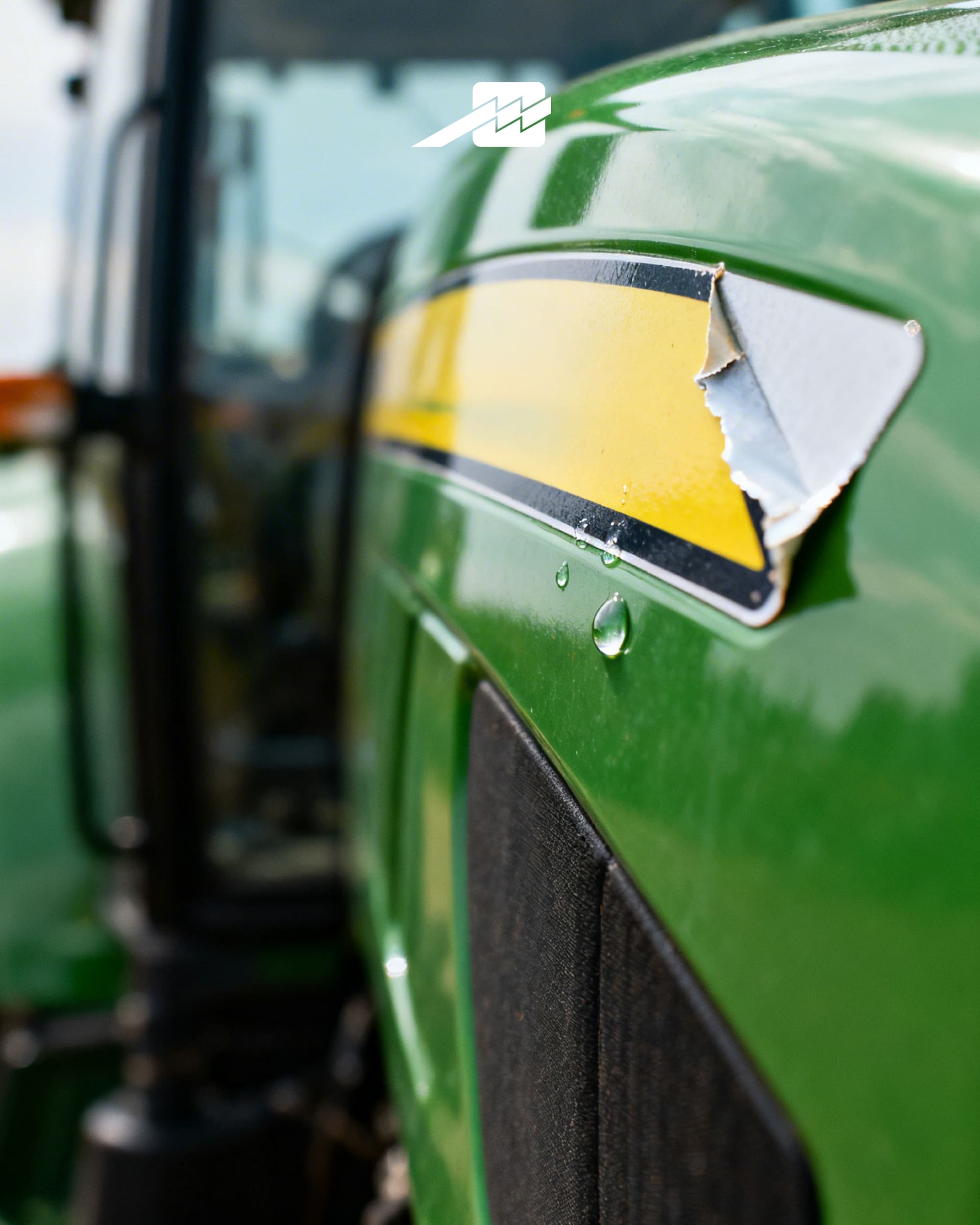
It’s not random.
When a decal deteriorates quickly, the issue is usually caused by unsuitable materials or incorrect production processes.
A decal should not only look good when first applied — it should maintain its quality, adhesion, and appearance over time.
Decals Don’t Deteriorate by Chance
Sunlight, rain, humidity, temperature changes, and daily wear constantly put materials and adhesives under stress.
If a decal is not designed for its final use and environment, the first signs of damage can appear within just a few months.
Unsuitable Materials
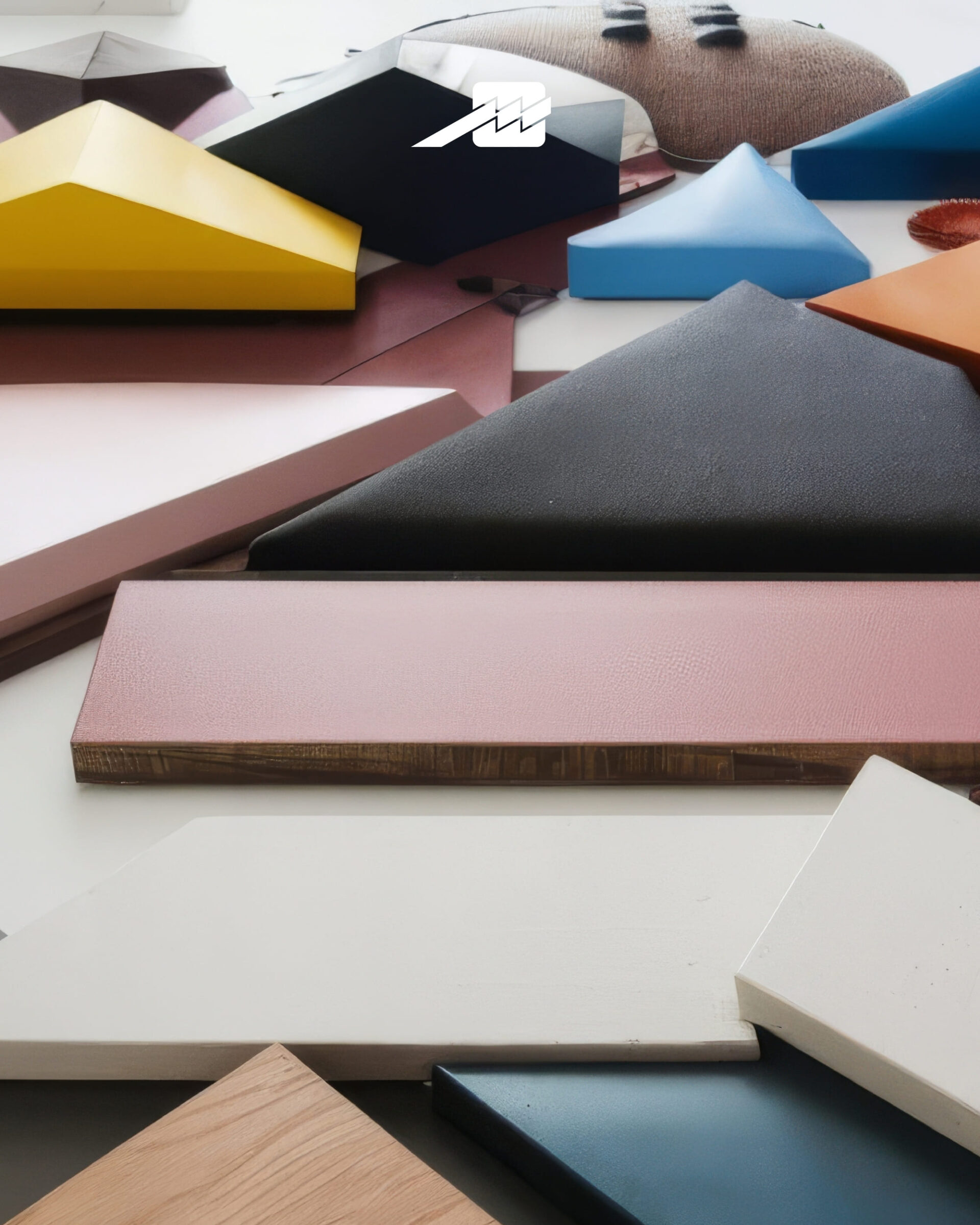
Not all decals are made for every application.
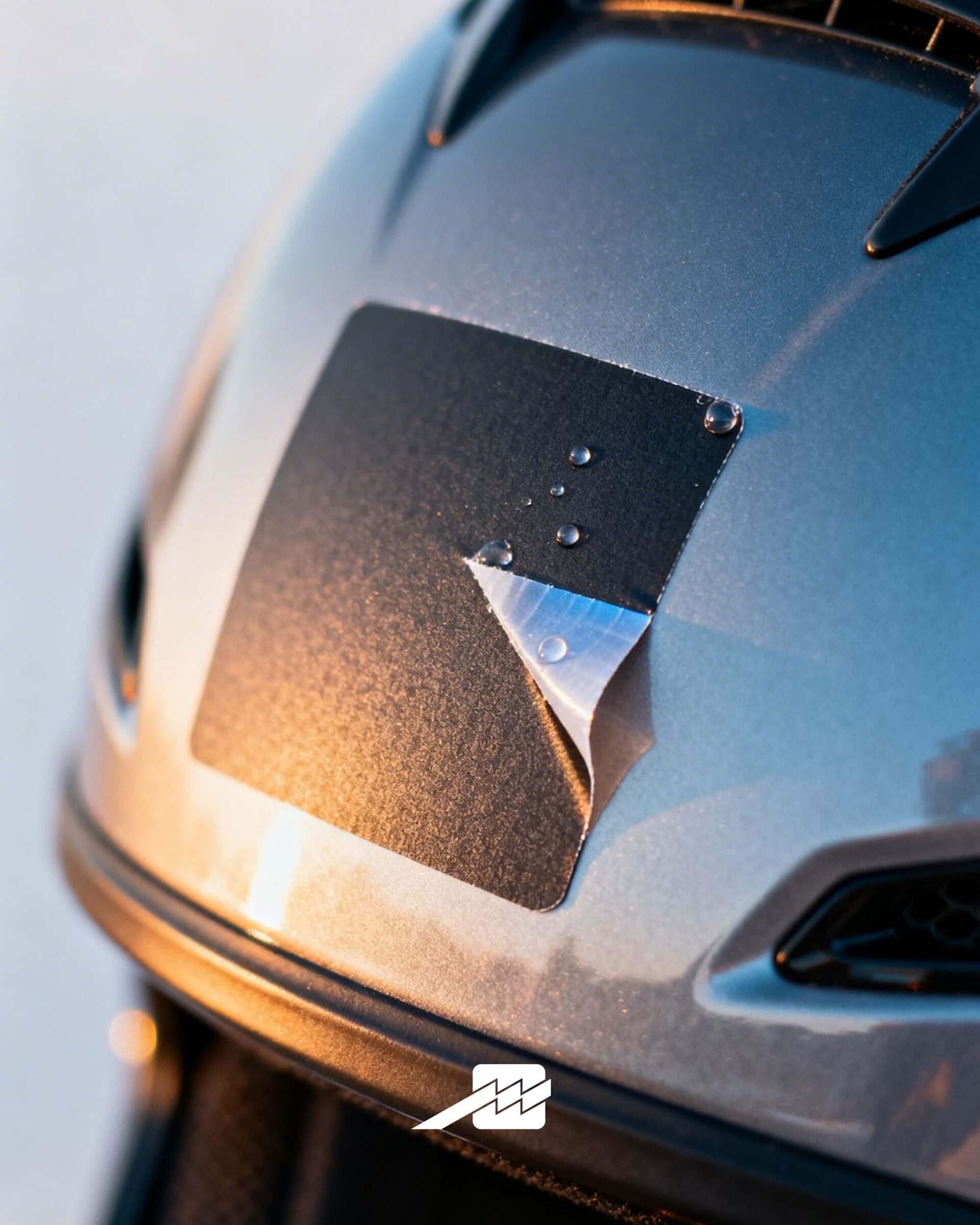
The choice of material should always depend on the surface, environmental exposure, and expected durability.Using low-quality or non-specific materials can lead to:
• loss of adhesion
• lifting edges
• cracks and damage
• colors fading quickly
External Elements Have a Long-Term Impact
Sun exposure, water, dirt, heat, and continuous use directly affect the lifespan of a decal.
That’s why it is essential to use technical materials specifically designed to resist wear and maintain high performance over time, even in demanding conditions.
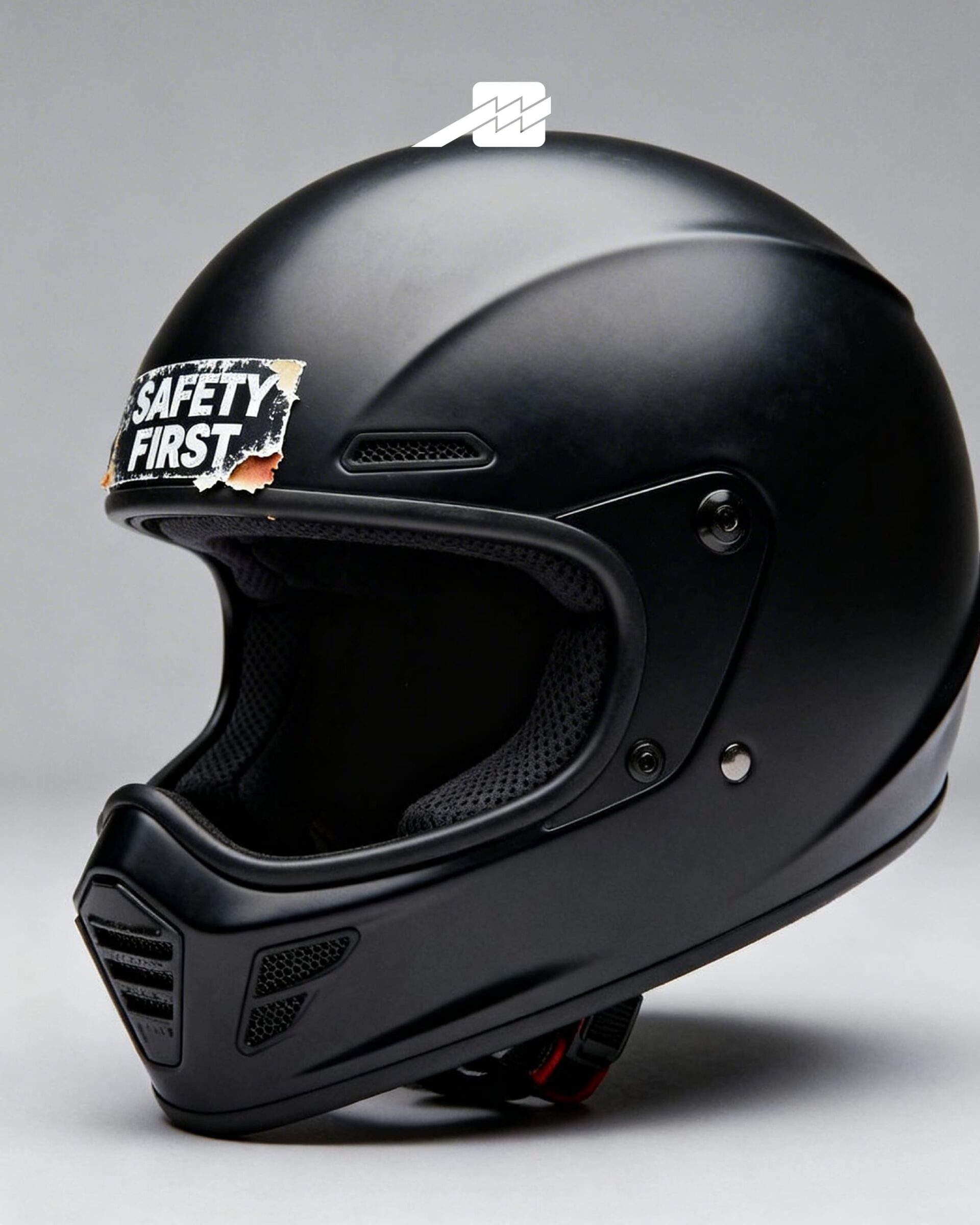
The Result?
When materials and production processes are not suitable, the outcome becomes obvious:
• decals that fade
• adhesives that peel away
• damaged and unprofessional surfaces
• loss of the original visual quality
The Right Material Makes the Difference
A high-quality decal is the result of the right combination of durable materials, precise workmanship, and correct application methods.
Because durability is never a matter of luck — it starts with the right choices from the beginning of the project.