
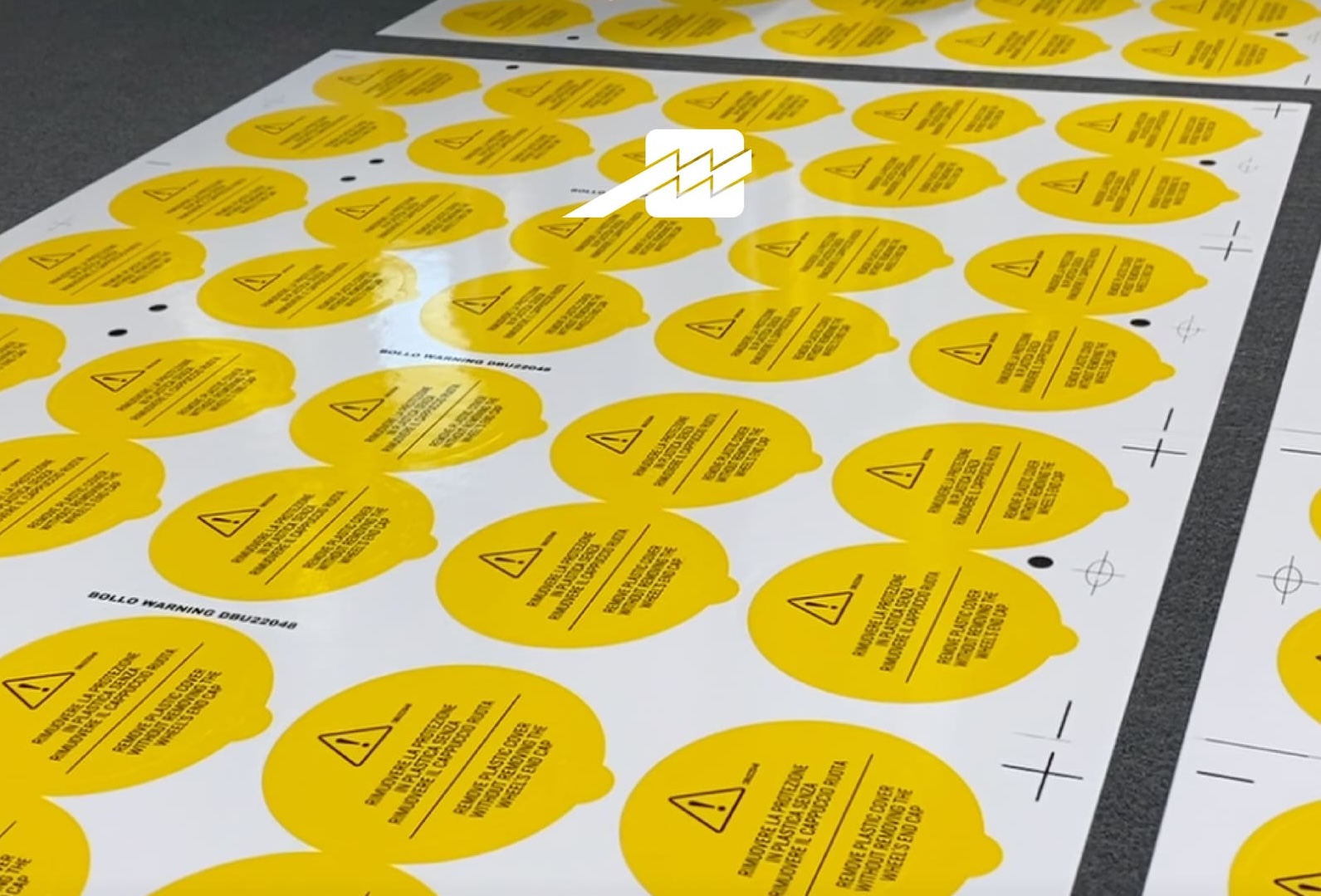
Industrial printing must be designed around the product, its intended use and the conditions it will be exposed to.
In the world of industrial printing, there is no one-size-fits-all solution. A decal for a bicycle, a label for agricultural machinery or a customized outdoor product all have completely different requirements.
That is why materials, adhesives, finishes and processes must be selected according to the final application.
Bike: aesthetics and durability in motion
In the cycling industry, graphics play an important role in defining a product’s identity. But effective customization must be more than just visually precise. Bicycles and components are exposed to frequent use, weather conditions, UV rays, moisture, washing and abrasion. For this reason, materials, adhesives and finishes must be selected according to real-world conditions of use, helping to preserve both the appearance and functionality of the customization over time.


Motorcycle: when graphics become part of product identity
In the motorcycle industry, customization often plays a key role in how a product is perceived.Helmets, components, accessories and other products need to combine visual impact, precision and durability. Surfaces can be exposed to intensive use, temperature changes, weather conditions and continuous stress.
Printing quality therefore becomes an integral part of the final result.
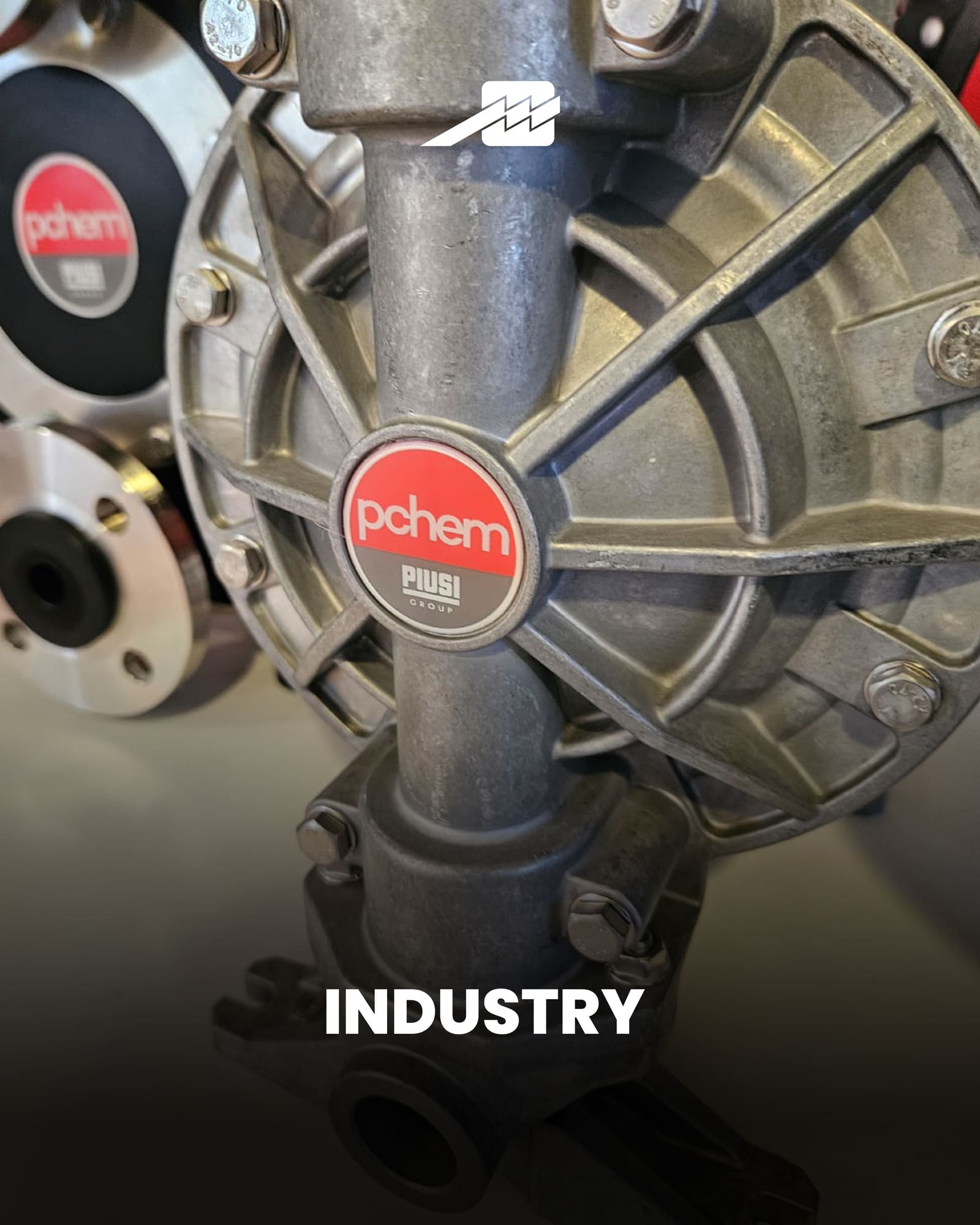
Industry: printing is not only about aesthetics
In industrial applications, labels, plates, decals and markings can have a much broader function than simple customization.
They can identify components, provide technical information, indicate product characteristics or communicate warnings and safety information.
In these cases, legibility, precision and durability are essential requirements.
The printing solution must therefore take into account the substrate, the operating environment and the conditions the product will be exposed to.
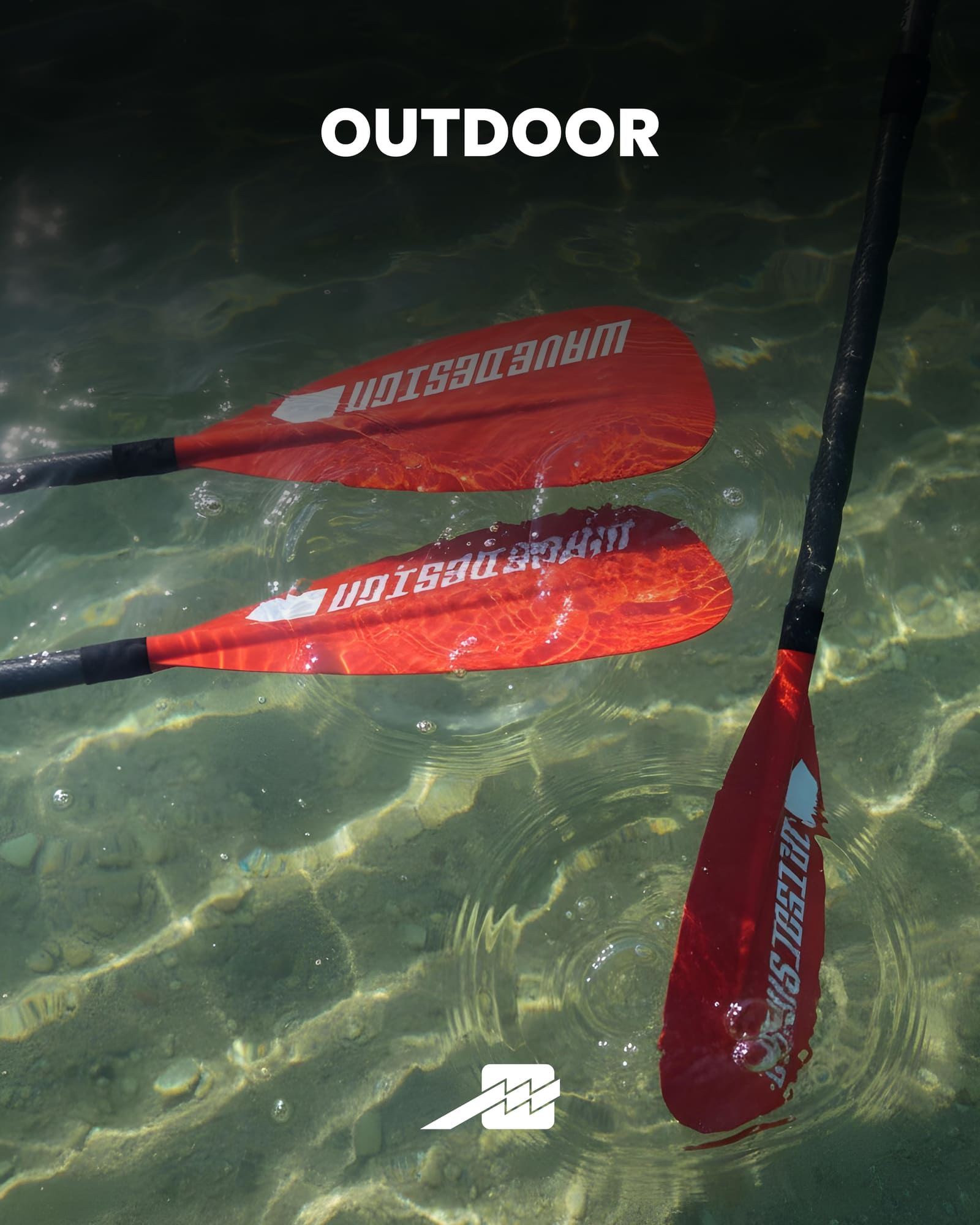
Outdoor: designed for changing conditions
Sunlight, rain, moisture and temperature changes put materials to the test.
The right solution must be designed to withstand real-world conditions of use.
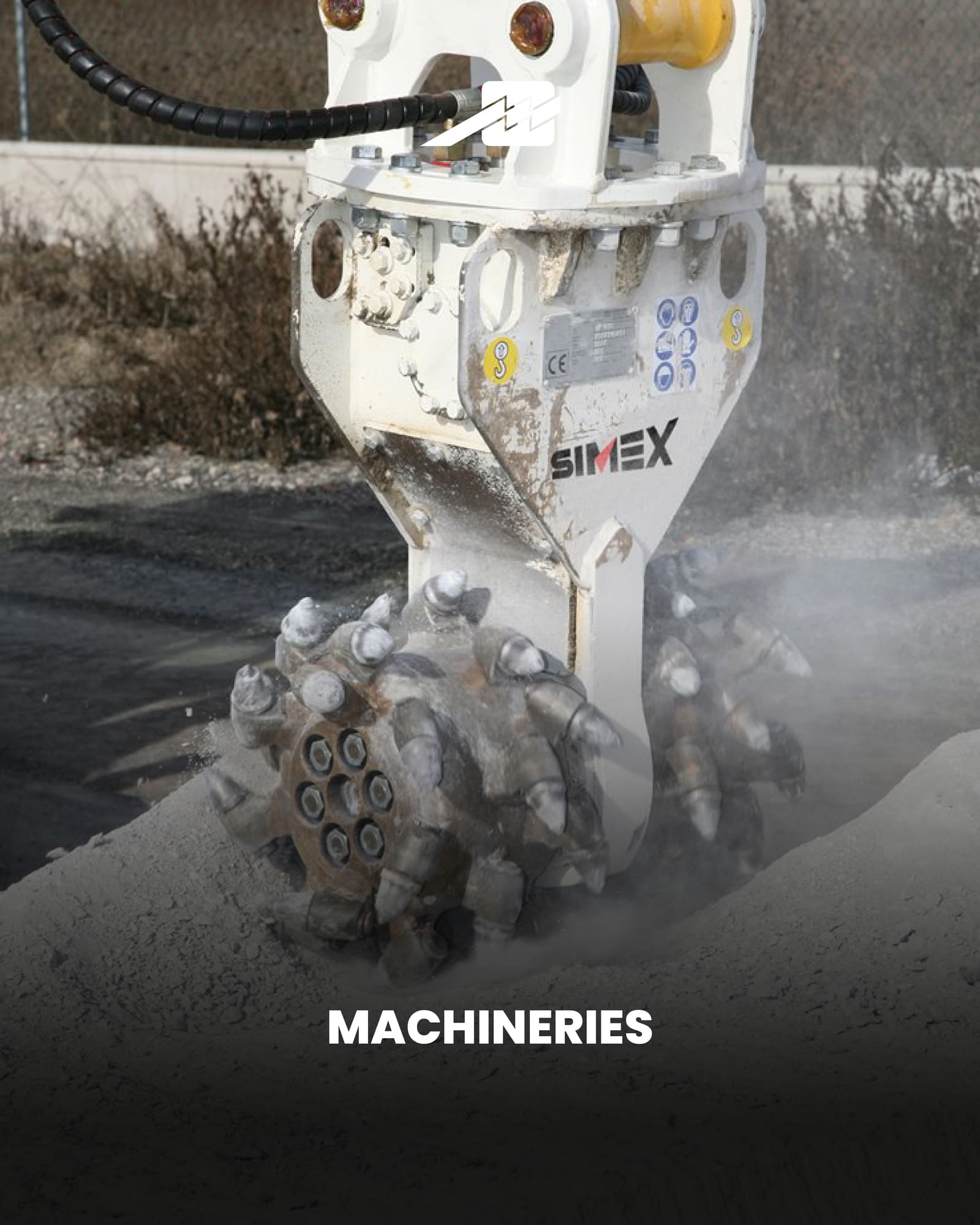
Agricultural machinery: when printing contributes to safety
On agricultural machinery, labels can play a crucial role in operator safety.
Pictograms, warnings, instructions and important information must remain clearly visible and legible over time, even when exposed to dust, mud, moisture and demanding working conditions.
In this case, printing is not simply a way to customize the machine: it is part of the communication that supports its use.
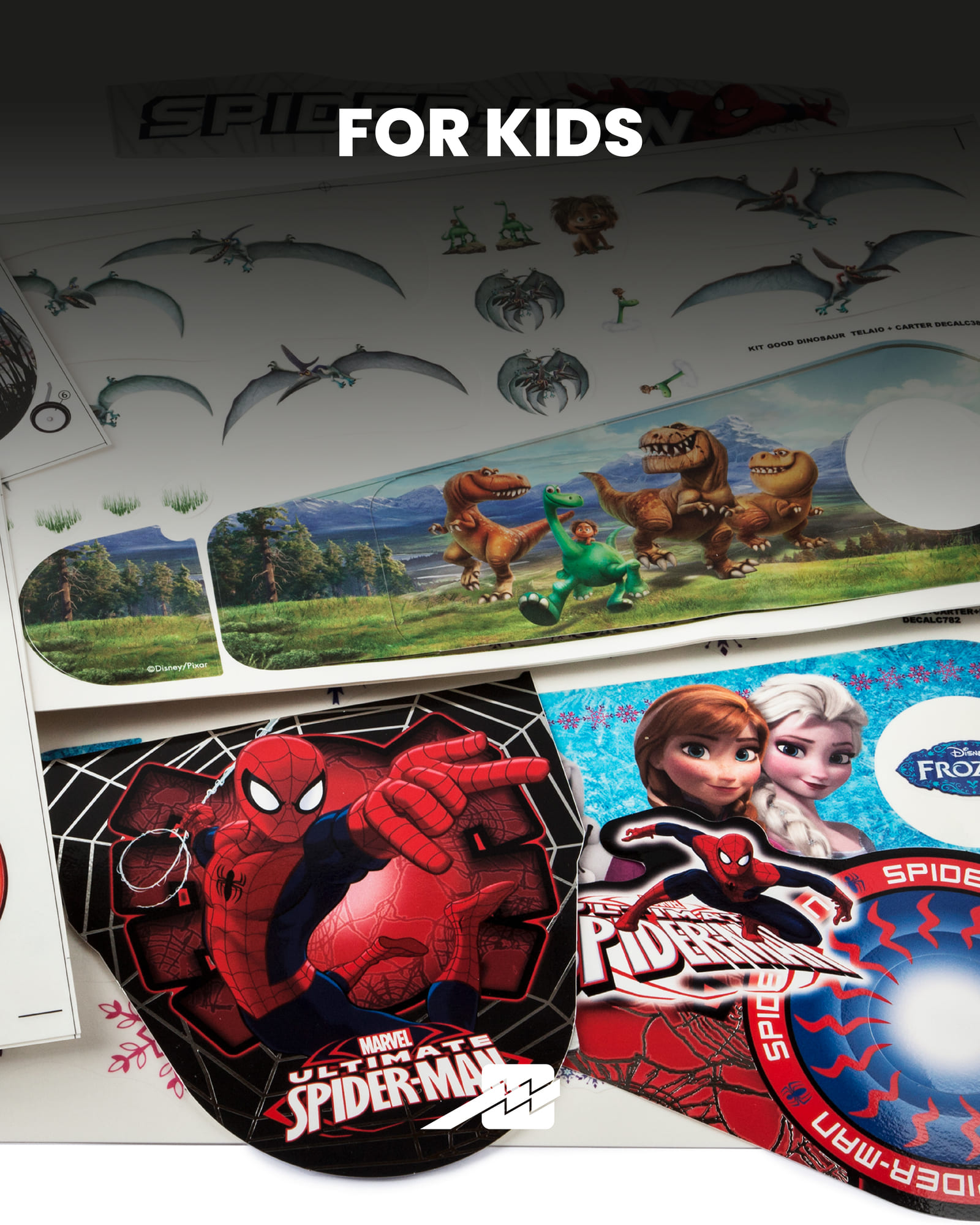
Children’s products: attention to every detail
When printing is applied to products intended for children, the choice of materials and processes becomes particularly important.
Customization must be developed according to the product and its intended use, taking quality, safety and durability requirements into consideration.
Once again, there is no standard solution that can be applied indiscriminately to every product.
A Different Solution for Every Need
Six different industries, six different sets of requirements.
This is why the design and selection stage is so important in industrial printing.
Materials, adhesives, substrates, inks, finishes and processes must be evaluated according to the final application.
The goal is not simply to print a graphic.
It is to find the most suitable combination of product, application and required performance.
Because high-quality industrial printing should not only look good — it should be designed to perform where it is needed.